Religious Tourism
Algeria is a land steeped in history and culture, and its religious heritage is a significant part of its identity. From ancient mosques and zaouïas to majestic churches, Algeria offers a fascinating journey for those interested in religious tourism.
Home / Destination / Religious Tourism
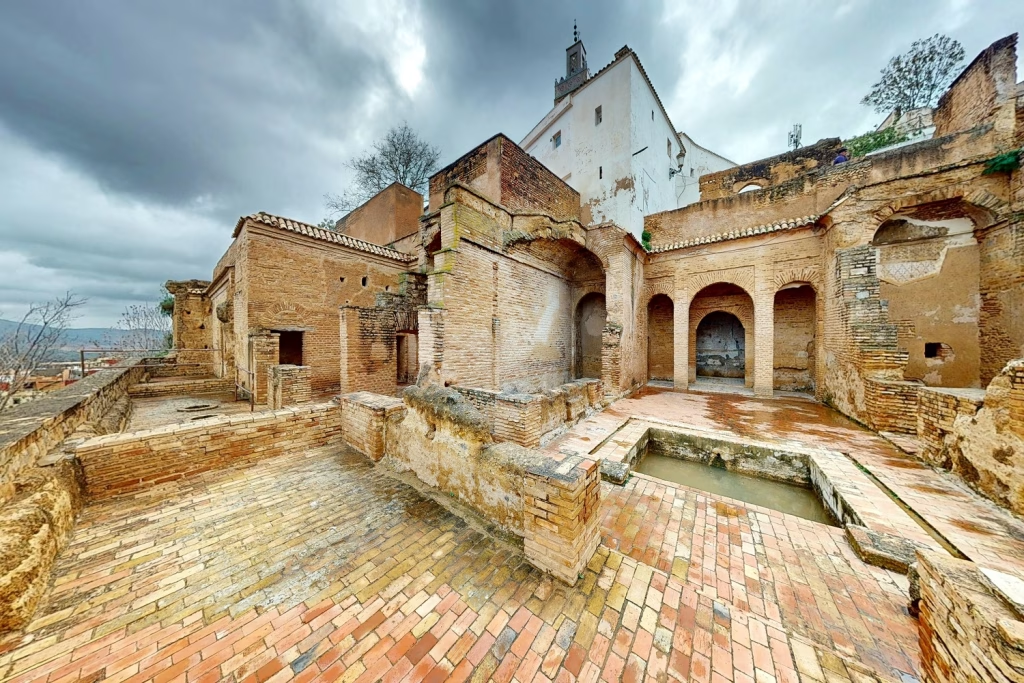
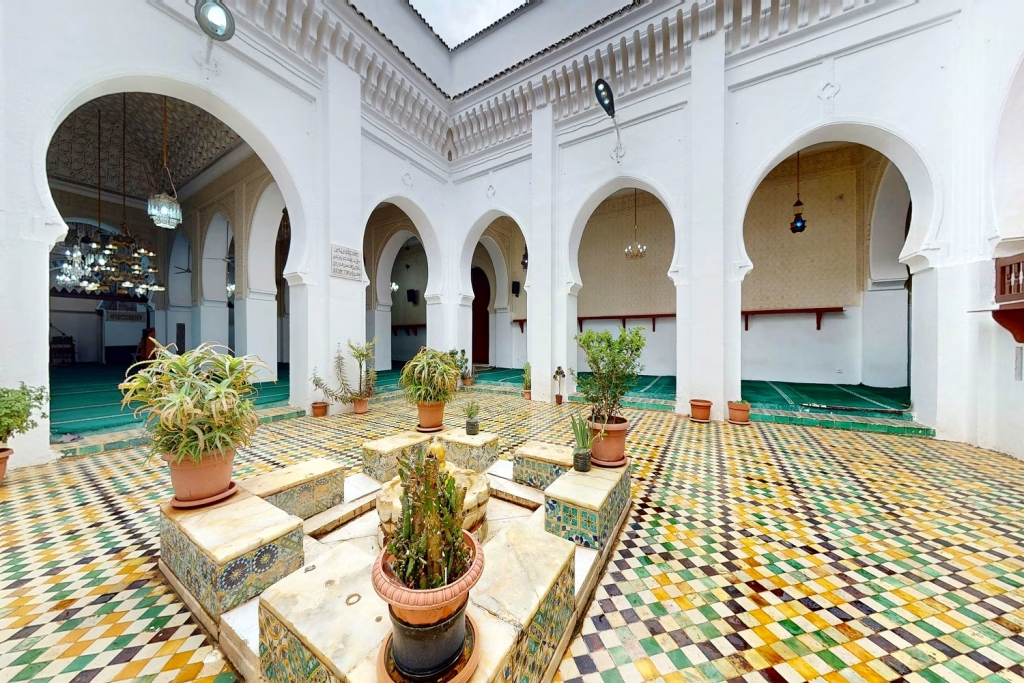
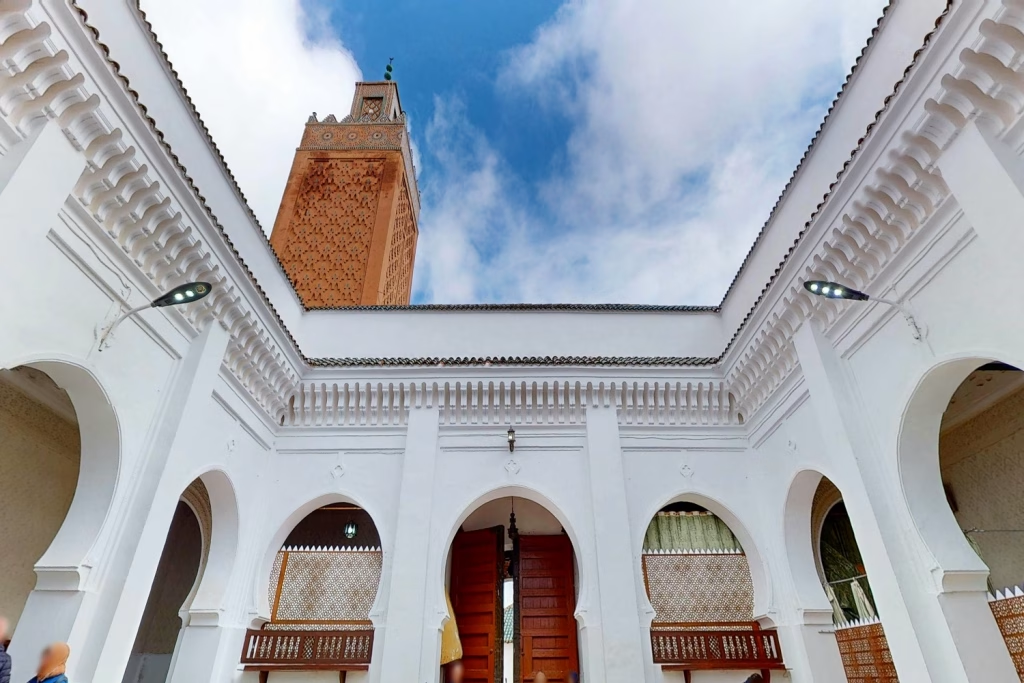
Top religious sites
- Ketchaoua Mosque – Algiers
- Sidi Boumediene Mosque – Tlemcen
- Great Mosque of Tlemcen (Al-Masjid al-A'zam)
- Sidi Okba Mosque – Biskra
- Great Mosque of Algiers (Djamaa El Kebir)
- Notre-Dame d'Afrique – Algiers
Religious Tourism
Algeria is a land steeped in history and culture, and its religious heritage is a significant part of its identity. From ancient mosques and zaouïas to majestic churches, Algeria offers a fascinating journey for those interested in religious tourism.
Djamaâ El Djazaïr: A Monumental Mosque
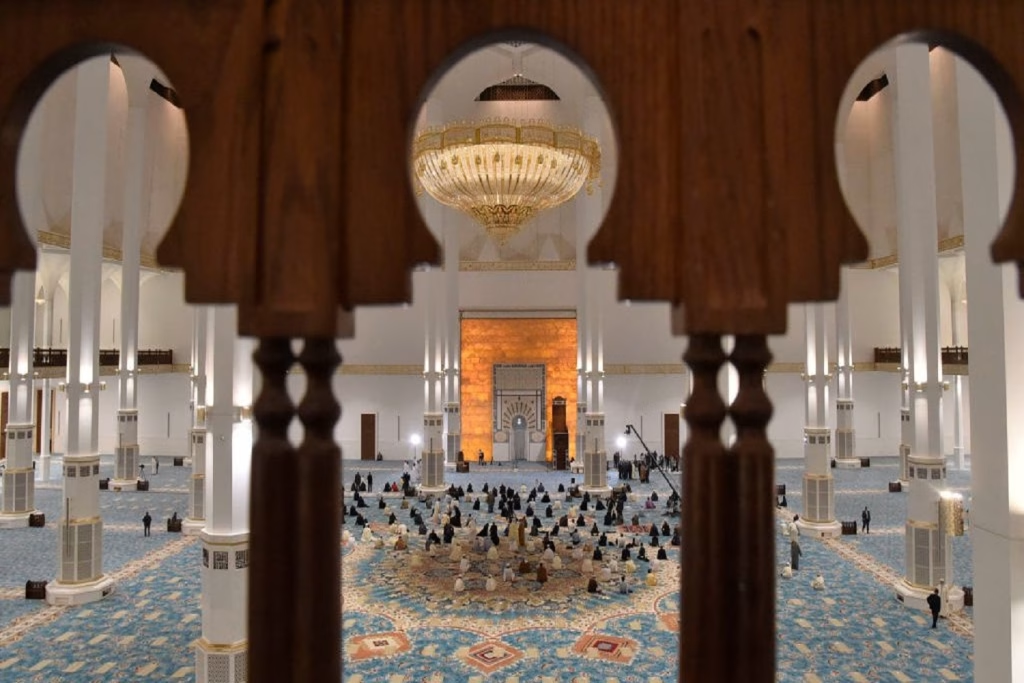
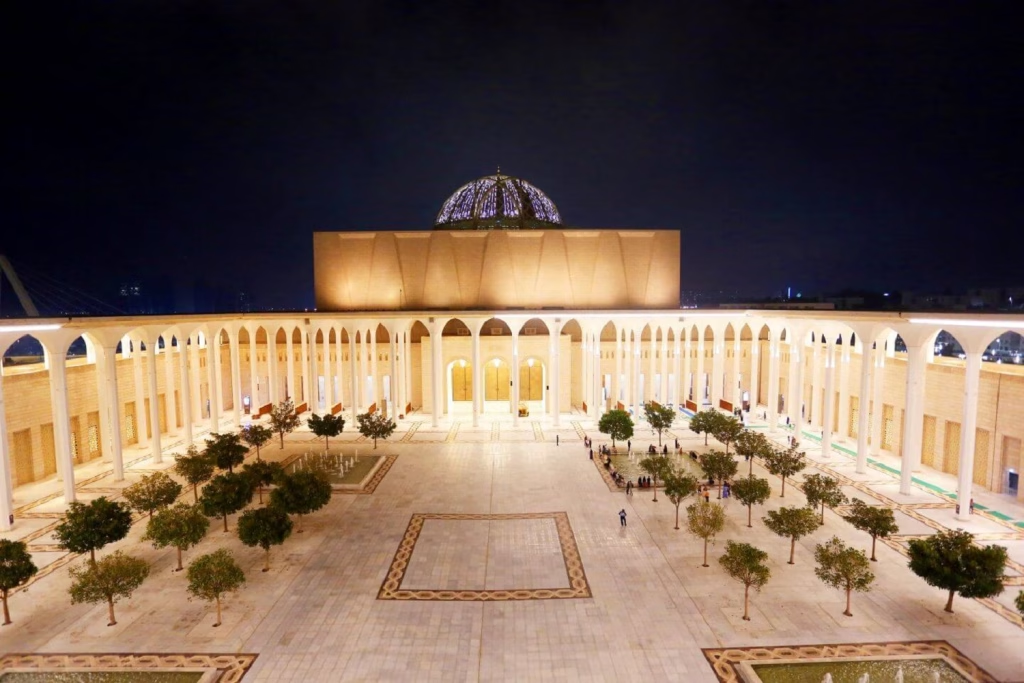
Djamaâ El Djazaïr, also known as the Grand Mosque of Algiers, stands as a symbol of Algeria’s religious and architectural grandeur. Completed in 2019, it was the largest mosque in Africa at the time of its inauguration and remains one of the largest in the world. The mosque’s vast prayer hall can accommodate up to 120,000 worshippers, and its soaring minaret, at 265 meters tall, is the world’s highest.
Mosques: A Legacy of Faith and Architecture
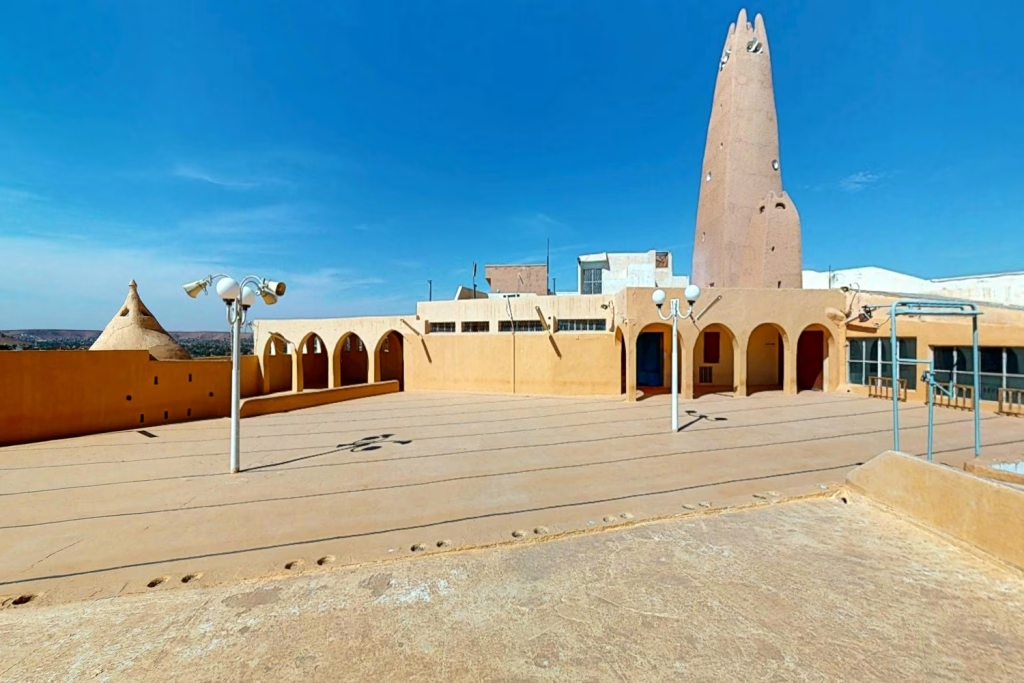
Across Algeria, mosques showcase the rich architectural heritage of various dynasties that have ruled the land. From the simplicity of the Sidi Okba Mosque in Constantine to the grandeur of the Great Mosque of Algiers, these places of worship reflect the deep-rootedness of Islam in Algeria.
Zaouïas: Centers of Learning and Spiritual Guidance
Zaouïas, traditional institutions of religious education, played a crucial role in Algerian society. These complexes, often centered around the tomb of a revered spiritual leader, provided education in Islamic sciences and served as centers of community life.
Churches: A Testament to Tolerance and Diversity
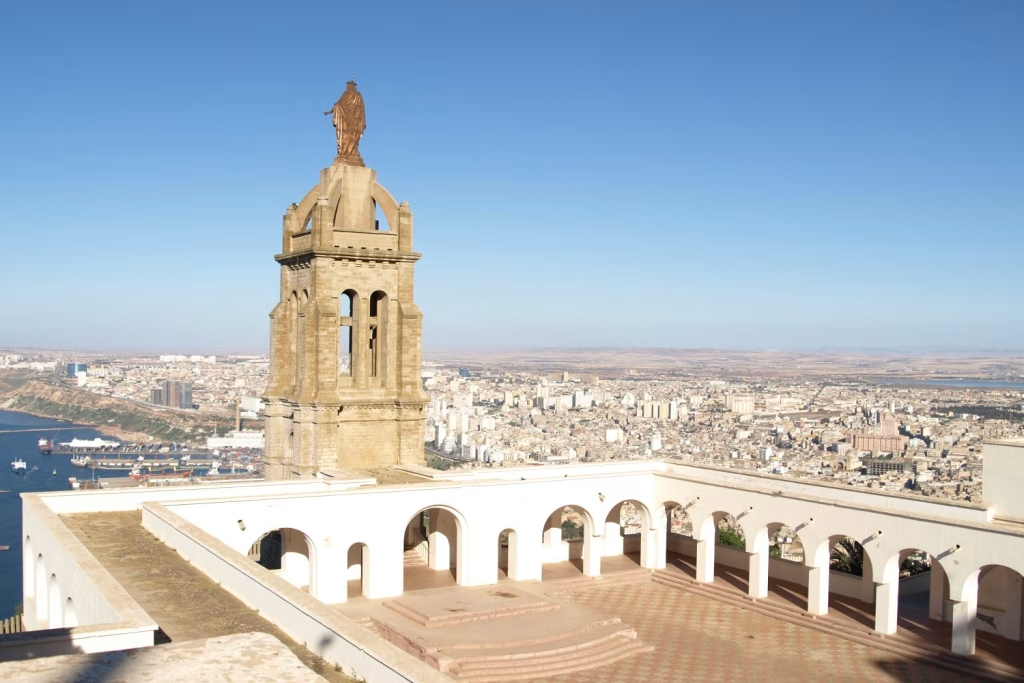
Algeria’s history of religious tolerance is evident in its numerous churches, where Christians freely practice their faith. The country is home to notable churches such as Notre Dame d’Afrique in Algiers, the Saint Augustine Church in Annaba, and various churches in Tiaret and Ouargla.
A Journey Through Time and Faith
Algeria’s religious tourism offers a captivating journey through the country’s history, culture, and spirituality. From the grandeur of ancient mosques to the serene atmosphere of churches, Algeria provides a unique and enriching experience for visitors seeking to connect with the country’s rich religious heritage.
Discover More Destinations
- Saharan Tourism
Algeria’s Endless Sands, Timeless Stories
“In the Algerian Sahara, time slows, the sky deepens, and the silence tells ancient tales.”
- Mountain and Discovery Tourism
Explore Algeria’s Majestic Mountains
“From forested peaks to rugged cliffs, Algeria’s mountains offer more than just breathtaking views—they hold stories of ancient civilizations, resilient cultures, and wild beauty waiting to be explored.”
- Beach Tourism
Where the Sea Meets Serenity
“Algeria’s Mediterranean coast is a haven of calm waves, golden sands, and undiscovered charm. Whether you’re seeking a quiet escape or a splash of adventure, the sea is calling.”
Contact Us
- FAQs
Frequently Asked Questions
What kind of experiences does Algeria offer?
Algeria offers a unique mix of adventure, culture, and relaxation—from desert trekking and mountain hiking to exploring historic sites and enjoying local cuisine.
Do I need a visa to visit Algeria?
Most travelers need a visa to enter Algeria. You can apply through the Algerian embassy or consulate in your country, so it’s best to check in advance.
What is the best time to visit Algeria?
The best time to visit is between October and April for desert trips and April to June or September for coastal and mountain regions.
What language is spoken in Algeria?
The official languages are Arabic. French is also widely spoken, especially in cities, and many signs and services are bilingual.
What currency is used in Algeria?
The official currency is the Algerian Dinar (DZD). Cash is commonly used, and while some hotels accept cards, it’s best to carry local currency, especially outside major cities.
What should I wear in Algeria?
Algeria is a modest country. Light, loose clothing is recommended, especially in hot areas. While there’s no strict dress code, it’s respectful to dress conservatively, particularly in rural and religious areas.
 The National Tourism Board of Algeria (ONT) is the Ministry’s instrument in charge of designing and implementing the promotion, marketing, and communication policy of Algerian tourism.