Cultural Tourism
Algeria’s rich history and landscapes continue to captivate, with Roman cities like Djemila offering timeless beauty.
Set in green hills, its forums, arches, and mosaics reveal a world-class heritage echoing ancient Caesarea and Tipasa.
Home / Destination / Cultural Tourism
Sites Classified as UNESCO World Heritage
- The Citadel of Beni Hammad (1980)
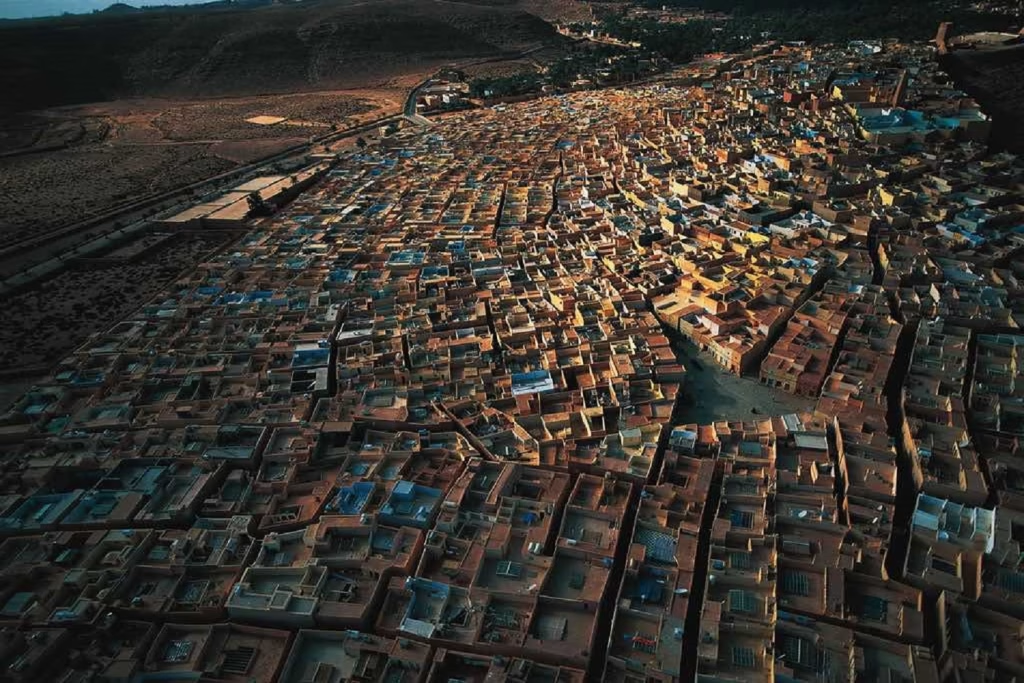
- The M’Zab Valley (1982)
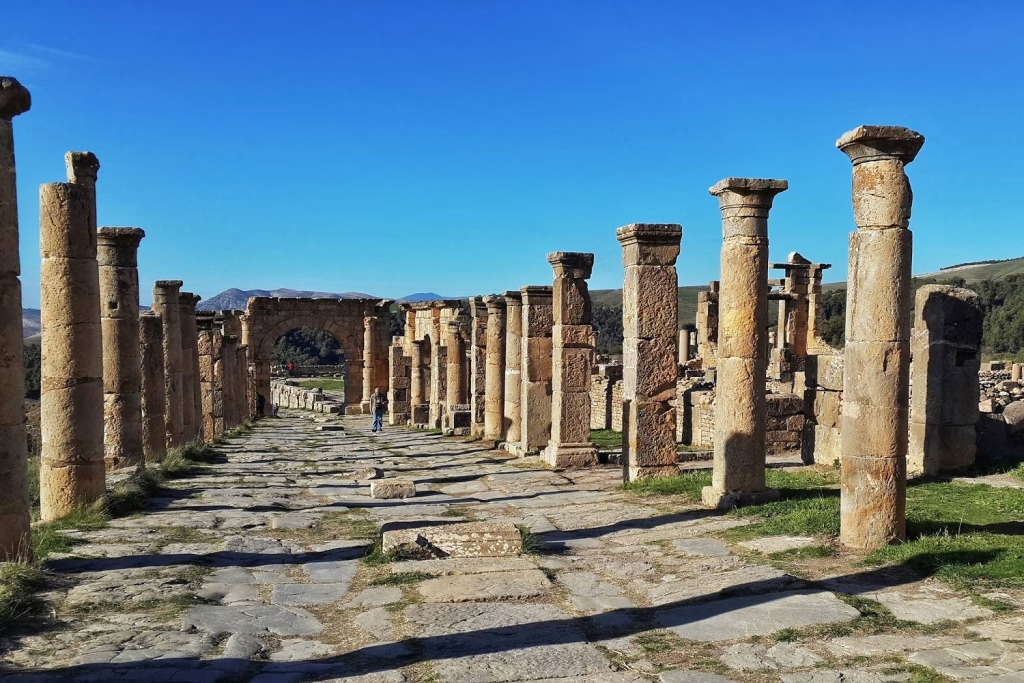
- Djemila (1982)
- Timgad (1982)
- Tipasa (1982)
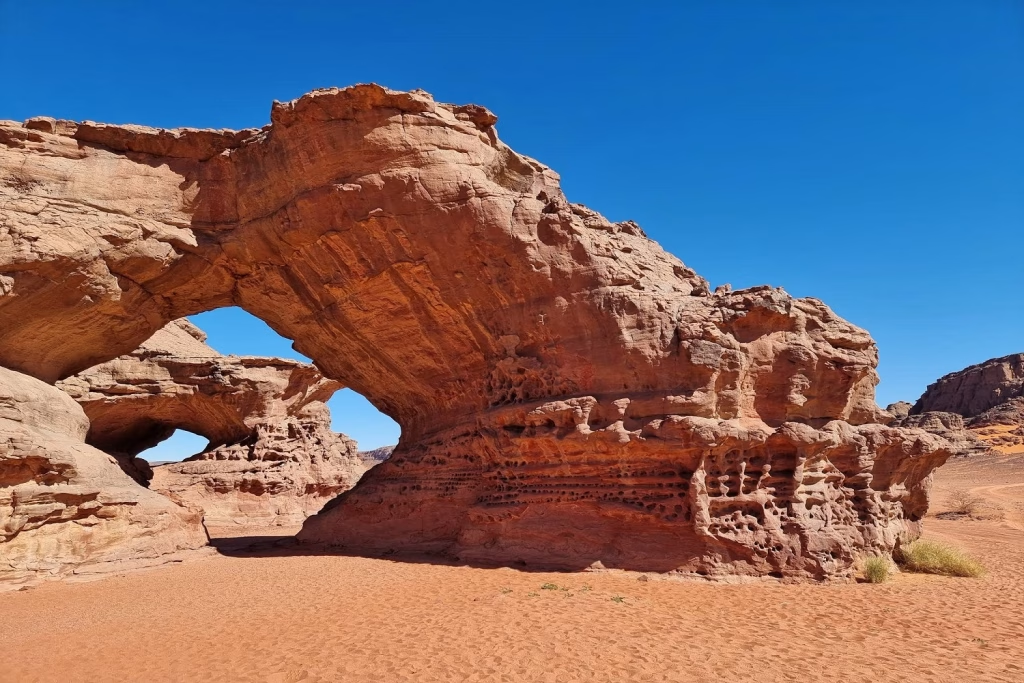
- Tassili N’Ajjer (1982)
- The Casbah of Algiers (1992)
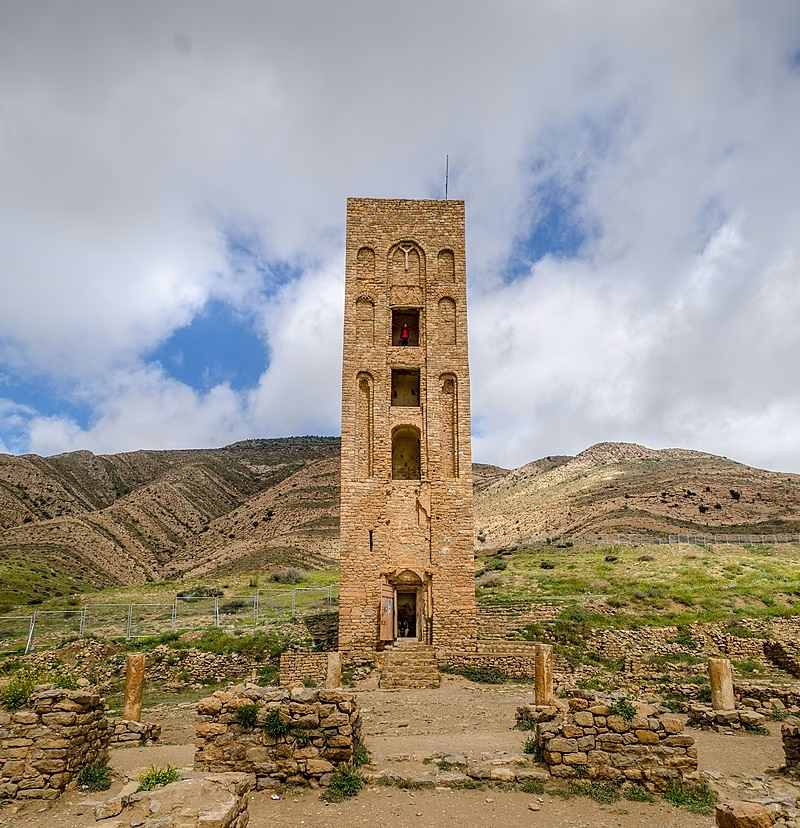
Beni Hammad
M'Sila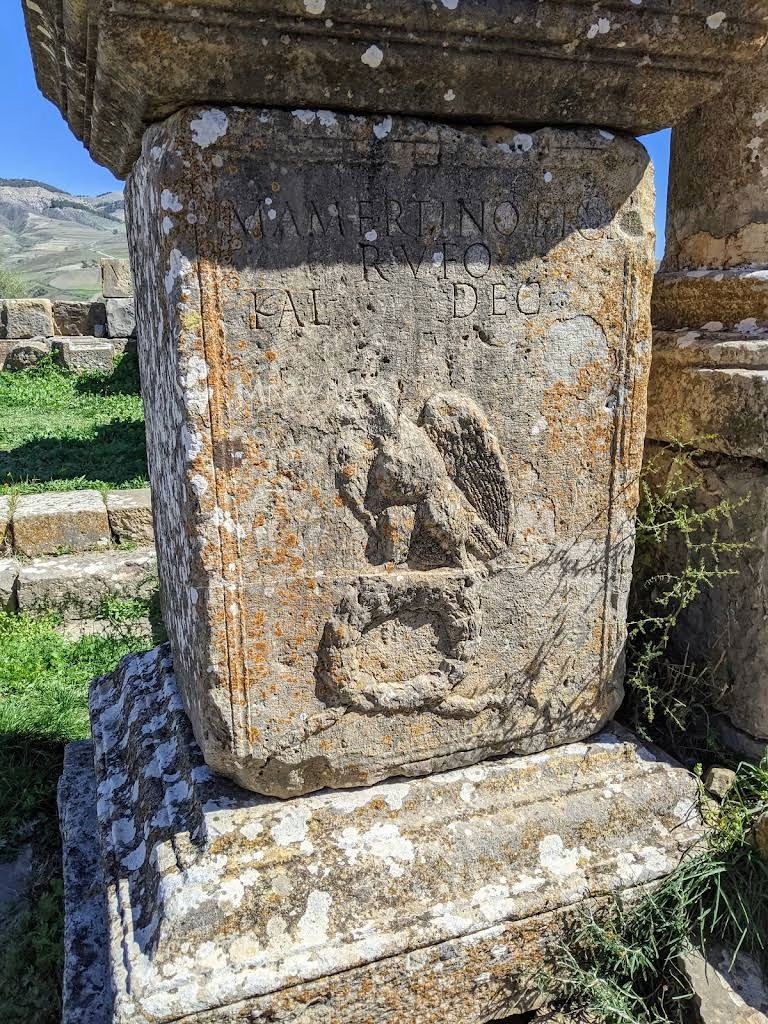
Djémila
Sétif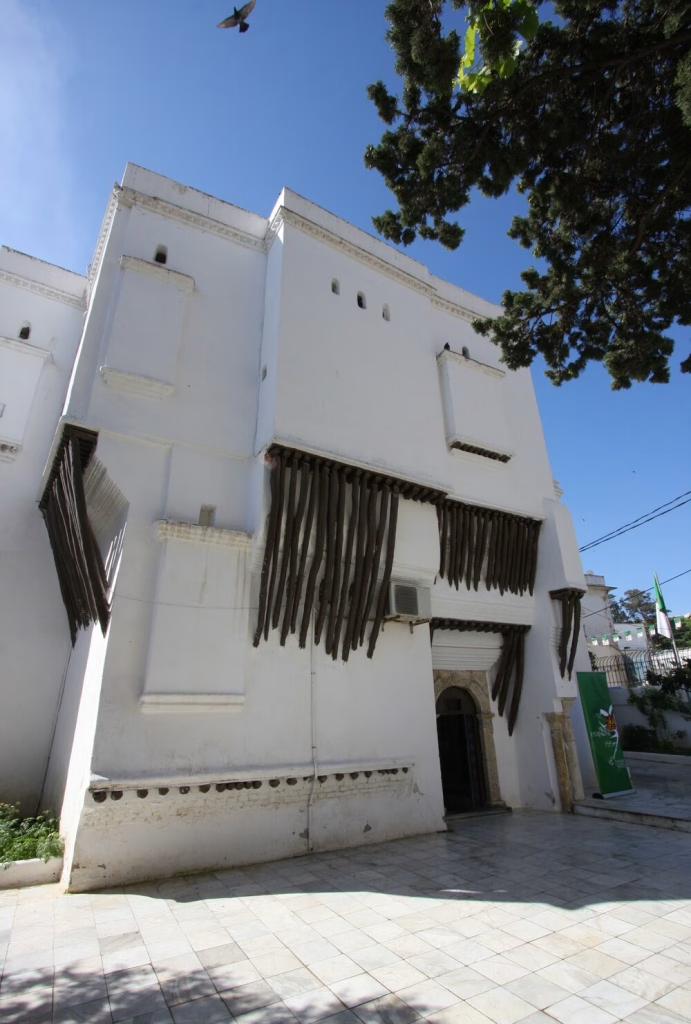
Kasbah
Algiers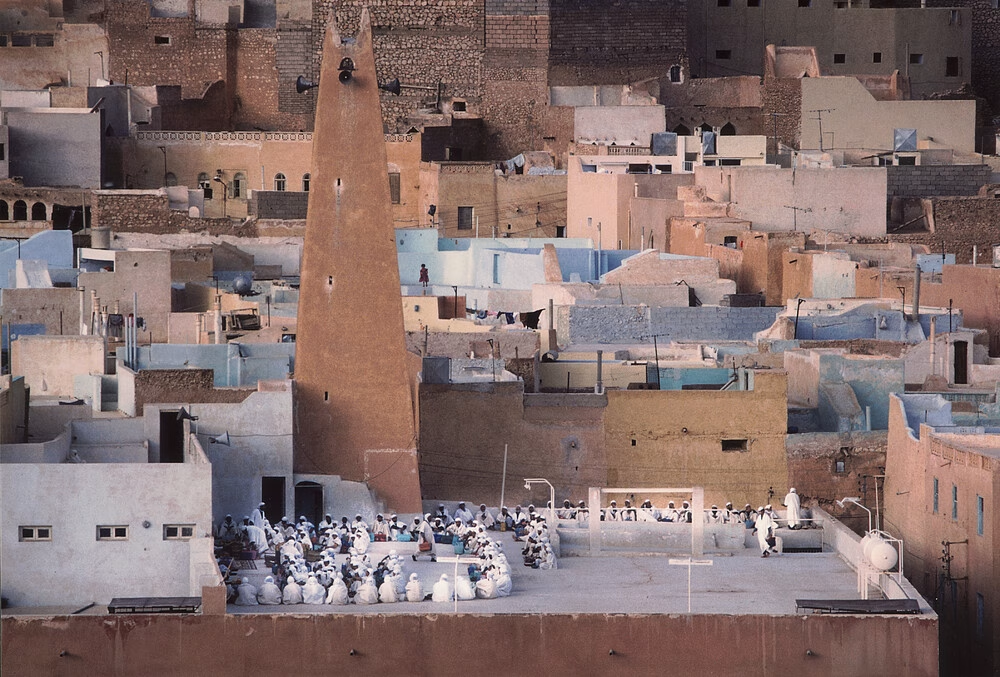
M'Zab Valley
Ghardaïa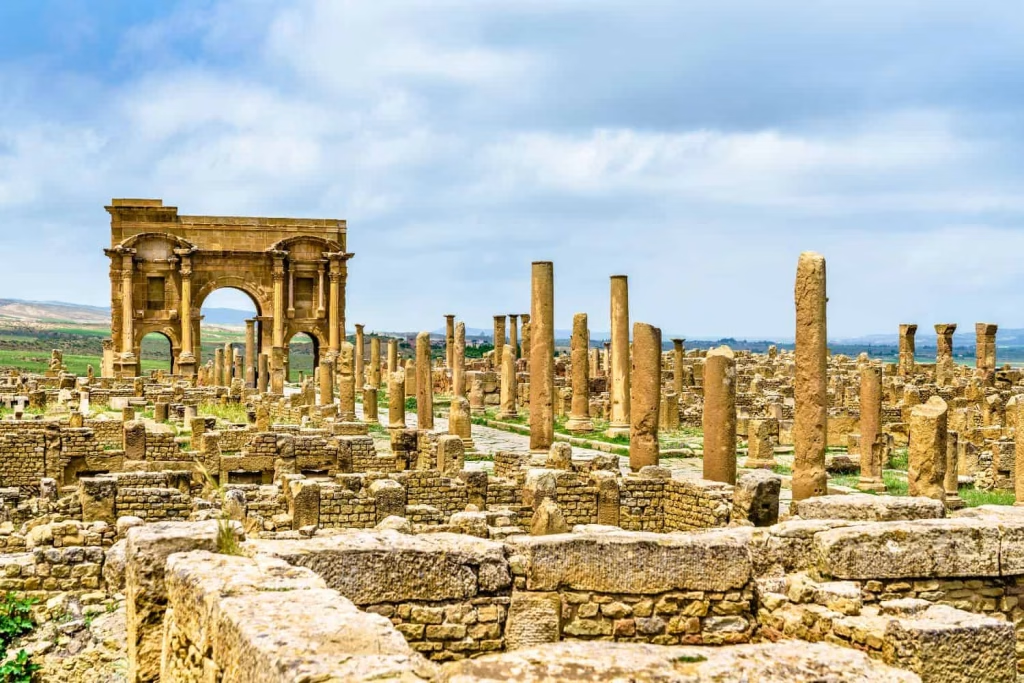
Timgad
Batna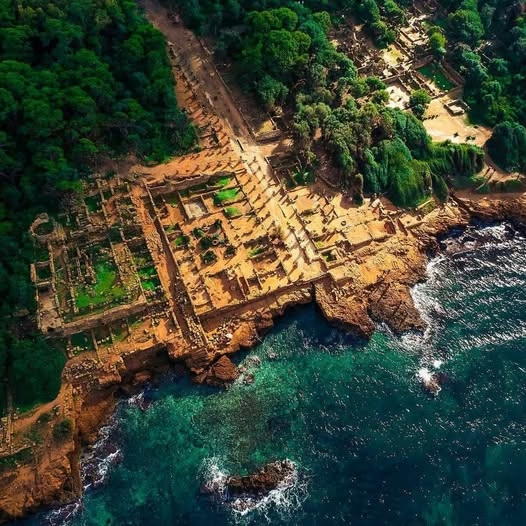
Tipasa
Tipasa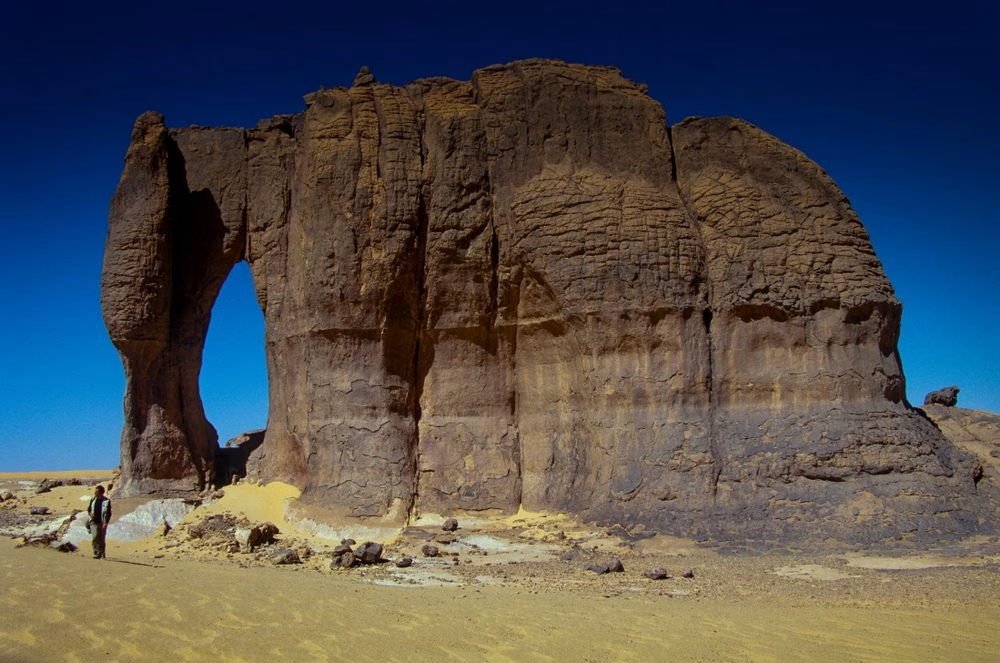
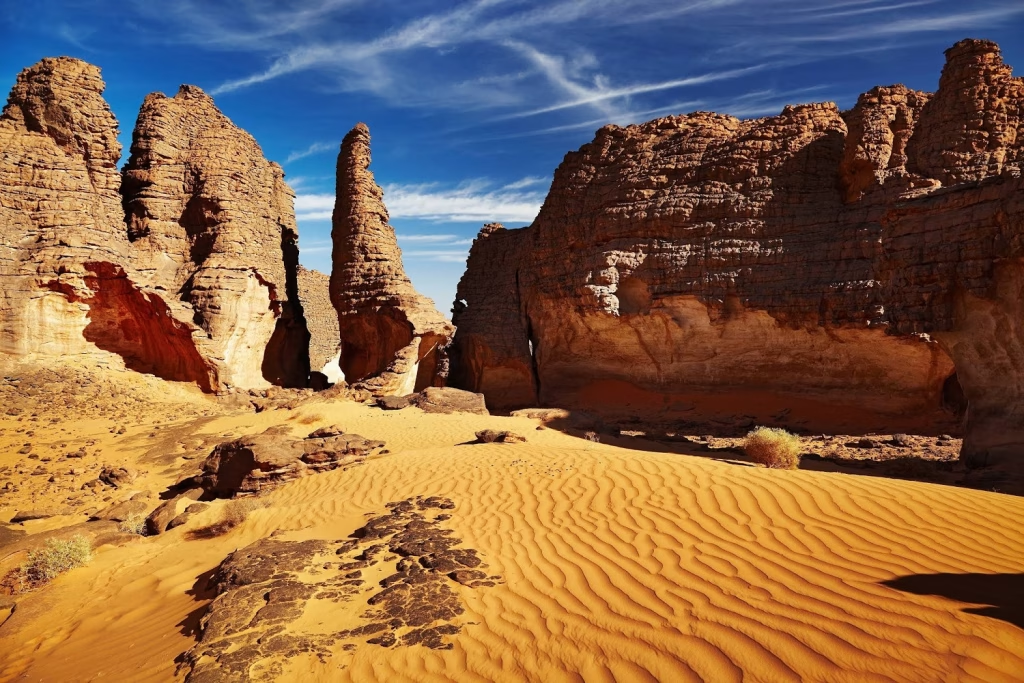
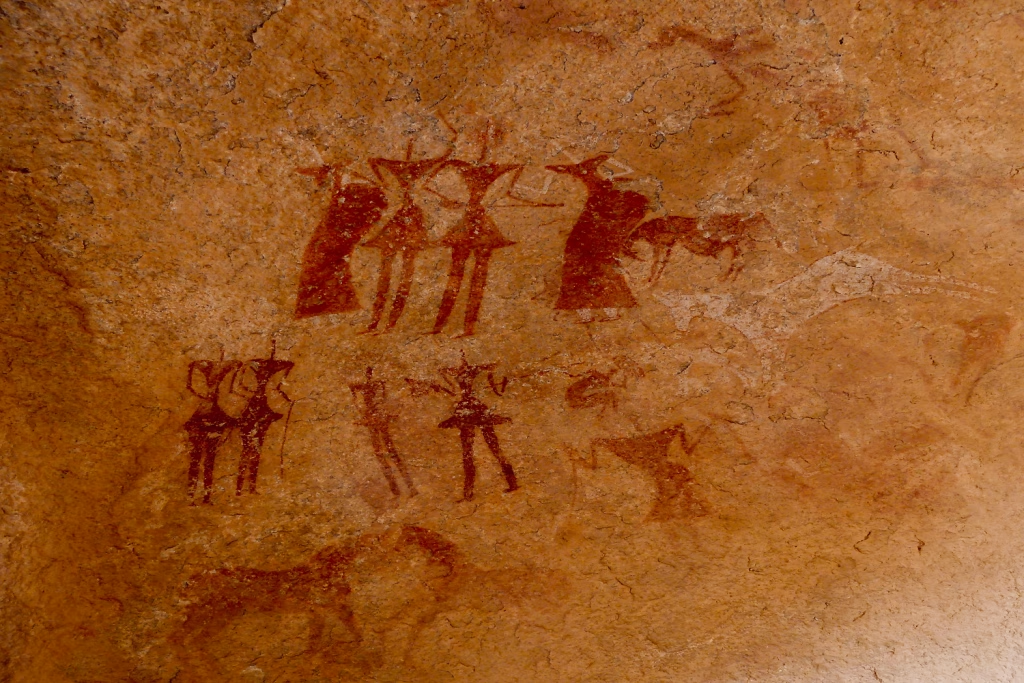
Tassili n'Ajjer
IlliziCultural Tourism
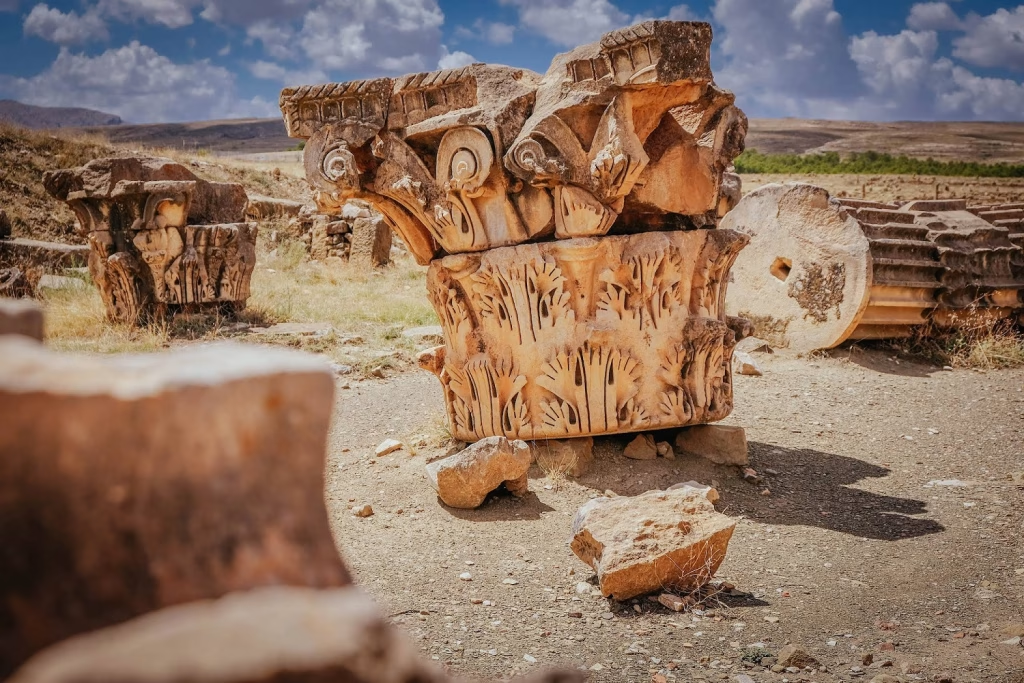
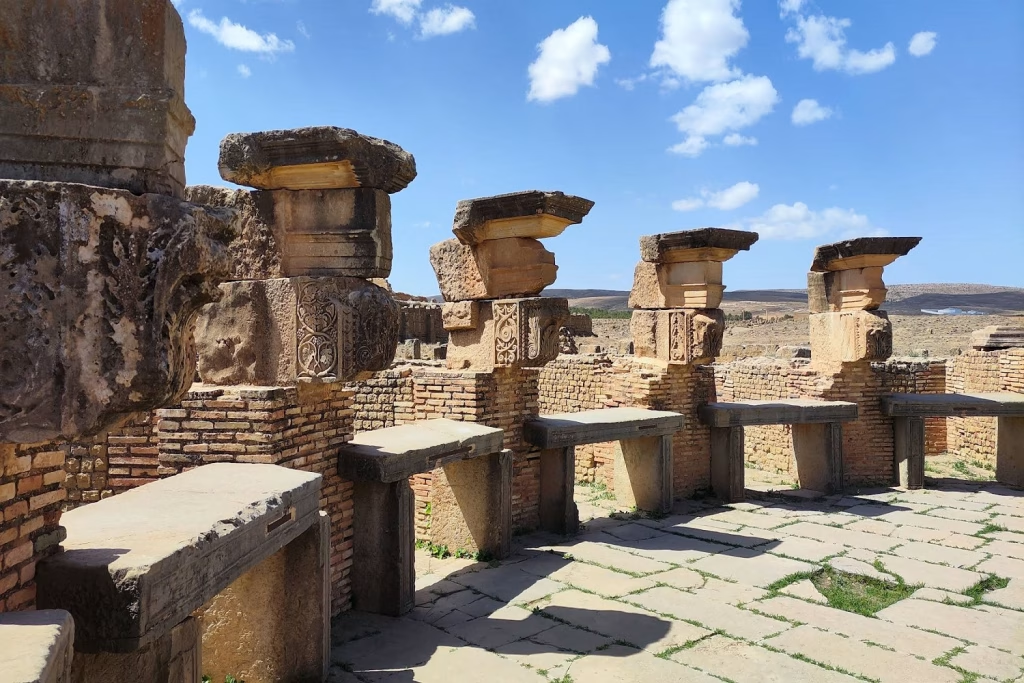
Whether by its history or its geography, Algeria never ceases to fascinate its visitors. Its historical vestiges make it a mirror of the whole world. Djemila, in Batna, is an invaluable historical treasure. This Roman city, one of the most beautiful built on Numidian land, is nestled in the heart of verdant hills that inspire calm and serenity. Admire the remains of the Arc de Triomphe, the Forum des Aigles, the houses and mosaics reminiscent of those of Cherchell (the ancient Caesarea), located 100 km from the capital. Like Tipasa, Djemila offers many theaters, forums and amphitheaters that transport you through time.
Timgad
Spreading over a vast area, Timgad, nicknamed the “Pompeii of Numidia”, reached its peak in the 2nd and 3rd centuries. Its immutable remains, such as the forum, the library and the large arches, including the Arc de Trajan, testify to the city’s past splendor. Located a few kilometers from Batna, Timgad, or Thamugas, is a perfect model of a Roman city. Founded in 100 AD by Emperor Trajan in the image of Rome, in tribute to his sister, it is distinguished by its checkerboard architecture.
Tipaza
The ruins of Tipasa (Tébessa), located about 100 km from Souk Ahras, are home to important remains such as the Arc de Caracalla, the Temple of Minerva, the Byzantine sanctuary, the Great Wall, the Great Basilica and its annexes. Madaura (M’Daourouch), for its part, was reputed to be the intellectual center of Numidia. Known for its schools, it is proud to have been home to the spiritual father of Roman Catholicism, Saint Augustine. It also gave birth to leading intellectuals such as the orator Apulée and the grammarian Maxime.
Cherchell, a Millennial City:
Located at the foot of Mount Chenoua and bordered by the sea, Cherchell offers breathtaking landscapes. Its position, 100 km from Algiers (Icosium), aroused the covetousness of the Phoenicians who made it their capital. Under the reign of Juba II, it took the name of Caesarea in honor of the Roman emperor Augustus, who became the new emperor. It was also the capital of the province of Mauretania, before being elevated to the rank of colony by the emperor Claudius. At the Cherchell Museum, famous for its collections, visitors can discover the different historical stages of the city.
Specialists agree that Algeria is one of the rare countries in the Mediterranean basin, with the exception of Greece and Italy, to house remains of such importance. It is for this very reason that UNESCO has classified them as World Heritage.
With its exceptional archaeological sites, its ancient cities and its museums rich in treasures, Algeria offers visitors an unforgettable journey through time and civilizations. Whether you are passionate about Roman history, Berber architecture or ancestral traditions, you will find in Algeria a wide range of sites to discover and experiences to live.
The Casbah of Algiers, the Beating Heart of the Capital
The Casbah, the old town and beating heart of Algiers, is a UNESCO World Heritage Site. A real city within the city, it contains Algeria’s historical treasures and its living memory. Guardian since time immemorial of culture and authentic architectural style, it is the heir to Moorish and Andalusian arts.
The urban planning of the Casbah bears the imprint of Amazigh urban planning, a legacy of the time of the Zirianid kings which gave it its authentic character.
Designed from its inception as a fortress city, the Casbah has over time been transformed into a magnificent and charming city, with its whitewashed houses, its jasmine-flowered districts and its cafes steeped in memories of the past.
The Casbah shines with its sloping roofs that descend in a labyrinth towards the sea. A terrace overlooks an exceptional panorama of the bay of Algiers and its blue waters.
In the bustling old town, the palace of Khdaouadj el-Amia, the palace of Mustapha Pacha and the palace of the Dey vie with each other in beauty
The Casbah of Algiers: A Journey Through Time and Traditions
The Casbah of Algiers, a UNESCO World Heritage Site, stands as a testament to the city’s rich history and vibrant culture. Nestled within the modern metropolis, this ancient citadel offers a captivating glimpse into Algeria’s past, transporting visitors to a world of narrow, winding streets, whitewashed houses, and bustling marketplaces.
The Casbah’s origins trace back to the 9th century, when it served as a fortified haven for Berber tribes. Over the centuries, it evolved into a melting pot of cultures, attracting Arabs, Andalusians, and Ottomans, each leaving their mark on its architecture and traditions.
The Casbah’s architectural landscape is a harmonious blend of Arabic-Andalusian and Ottoman styles. Intricate mosaics adorn doorways, while labyrinthine alleyways and steep staircases create a sense of mystery and intrigue. The towering minarets of ancient mosques pierce the skyline, offering a glimpse into the city’s spiritual heritage.
Beyond its historical significance, the Casbah is a living, breathing community. The narrow streets teem with life, as artisans ply their trades, merchants hawk their wares, and the aroma of freshly baked bread mingles with the scent of spices. Children’s laughter echoes through the alleyways, while the rhythmic beats of traditional music fill the air.
Venturing into the Casbah is an immersive experience, transporting visitors back in time. Wander through the labyrinthine streets, get lost in the vibrant marketplaces, and savor the authentic flavors of Algerian cuisine. Engage with the locals, learn about their traditions, and gain a deeper understanding of the city’s soul.
The Casbah of Algiers is more than just a historical site; it is a living embodiment of the city’s rich heritage and vibrant culture. For those seeking an authentic Algerian experience, the Casbah is an essential stop. Let its magic transport you to a bygone era, where the echoes of history mingle with the rhythm of modern life.
Zelij Mosaics: A Glimpse into Algerian Artistic Heritage
Zelij mosaics, also known as Zellige or Zillij, are a captivating form of decorative art that has graced Algerian architecture for centuries. These intricate mosaics, composed of hand-chiseled ceramic tiles, adorn walls, floors, and ceilings,
Discover More Destinations
- Saharan Tourism
Algeria’s Endless Sands, Timeless Stories
“In the Algerian Sahara, time slows, the sky deepens, and the silence tells ancient tales.”
- Mountain and Discovery Tourism
Explore Algeria’s Majestic Mountains
“From forested peaks to rugged cliffs, Algeria’s mountains offer more than just breathtaking views—they hold stories of ancient civilizations, resilient cultures, and wild beauty waiting to be explored.”
- Beach Tourism
Where the Sea Meets Serenity
“Algeria’s Mediterranean coast is a haven of calm waves, golden sands, and undiscovered charm. Whether you’re seeking a quiet escape or a splash of adventure, the sea is calling.”
Contact Us
- FAQs
Frequently Asked Questions
What kind of experiences does Algeria offer?
Algeria offers a unique mix of adventure, culture, and relaxation—from desert trekking and mountain hiking to exploring historic sites and enjoying local cuisine.
Do I need a visa to visit Algeria?
Most travelers need a visa to enter Algeria. You can apply through the Algerian embassy or consulate in your country, so it’s best to check in advance.
What is the best time to visit Algeria?
The best time to visit is between October and April for desert trips and April to June or September for coastal and mountain regions.
What language is spoken in Algeria?
The official languages are Arabic. French is also widely spoken, especially in cities, and many signs and services are bilingual.
What currency is used in Algeria?
The official currency is the Algerian Dinar (DZD). Cash is commonly used, and while some hotels accept cards, it’s best to carry local currency, especially outside major cities.
What should I wear in Algeria?
Algeria is a modest country. Light, loose clothing is recommended, especially in hot areas. While there’s no strict dress code, it’s respectful to dress conservatively, particularly in rural and religious areas.
 The National Tourism Board of Algeria (ONT) is the Ministry’s instrument in charge of designing and implementing the promotion, marketing, and communication policy of Algerian tourism.