Discover Algeria in 360°
Experience the beauty of Algeria’s landscapes and heritage like never before — move, explore, and immerse yourself in every direction.
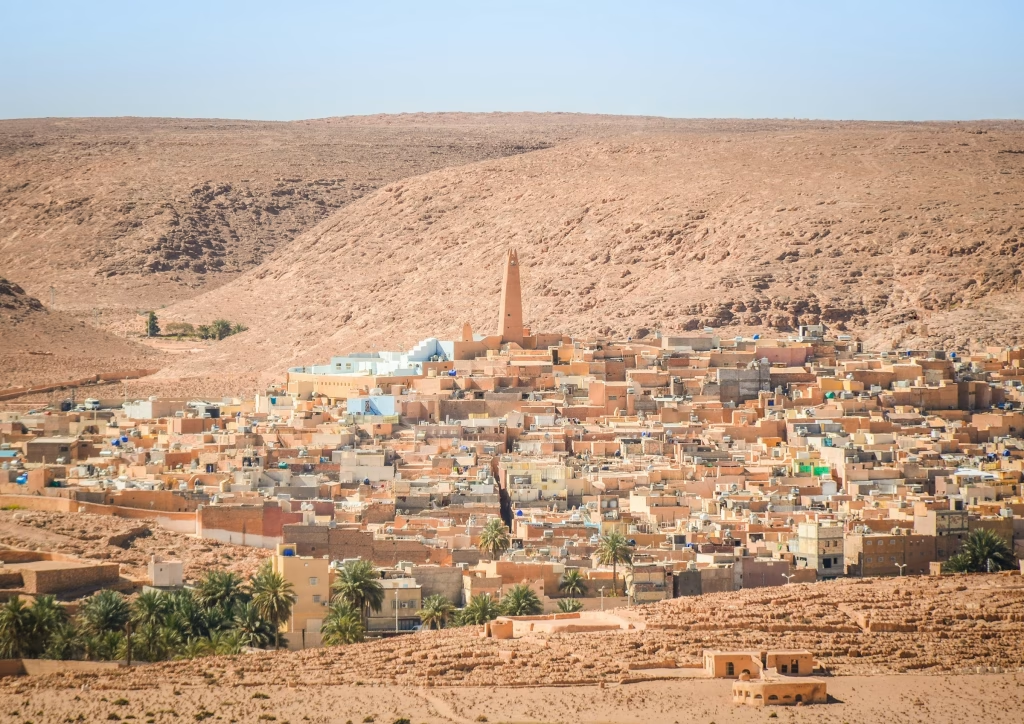
Ghardaïa Ksar (Tagherdayt)
The Ghardaïa Ksar, locally known as Tagherdayt, is an ancient historical landmark located in the heart of the M’zab Valley in southern Algeria. It was founded in 1048 AD by the Ibadites and is renowned for its circular layout built around a central mosque perched on a rocky hill — a remarkable example of architectural and social ingenuity.
The houses, made of clay and local stone, are arranged along narrow alleys to provide natural shade and ventilation. The ksar features an ingenious system for food storage and water distribution, along with a central market and a local council known as El Azzaba.
Still inhabited today, the ksar’s residents continue to preserve their authentic Mozabite traditions. Recognized as a UNESCO World Heritage Site, Ghardaïa Ksar stands as a symbol of unique cultural, religious, and architectural heritage, offering visitors an immersive journey into the history and desert identity of Algeria.
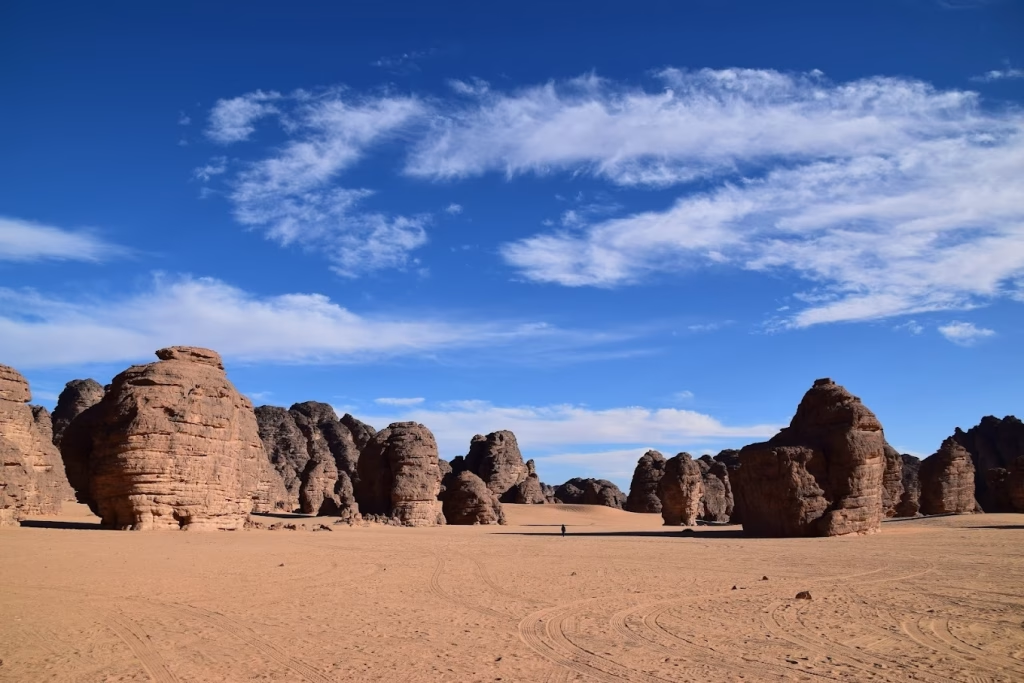
Tikoubaouine Paradise (or Tin Koubaouine)
Tikoubaouine Paradise is one of the most breathtaking oases in southern Algeria, located in the Tamanrasset Province within the majestic Hoggar Mountains. This natural wonder captivates visitors with its stunning contrast of golden sand dunes and black volcanic rock formations — a true masterpiece of desert harmony.
Surrounded by towering granite cliffs and scattered palm trees, the oasis is home to freshwater springs that offer tranquility and refreshment in the vast Sahara. Tikoubaouine is a favorite destination for camping, hiking, and eco-tourism enthusiasts, providing an authentic desert experience far from urban noise.
The area is also renowned for its magnificent sunsets and star-filled skies, making it a dreamland for photographers and nature lovers alike. Tikoubaouine stands as a living model of balance between nature and traditional Saharan life.
The houses, made of clay and local stone, are arranged along narrow alleys to provide natural shade and ventilation. The ksar features an ingenious system for food storage and water distribution, along with a central market and a local council known as El Azzaba.
Still inhabited today, the ksar’s residents continue to preserve their authentic Mozabite traditions. Recognized as a UNESCO World Heritage Site, Ghardaïa Ksar stands as a symbol of unique cultural, religious, and architectural heritage, offering visitors an immersive journey into the history and desert identity of Algeria.
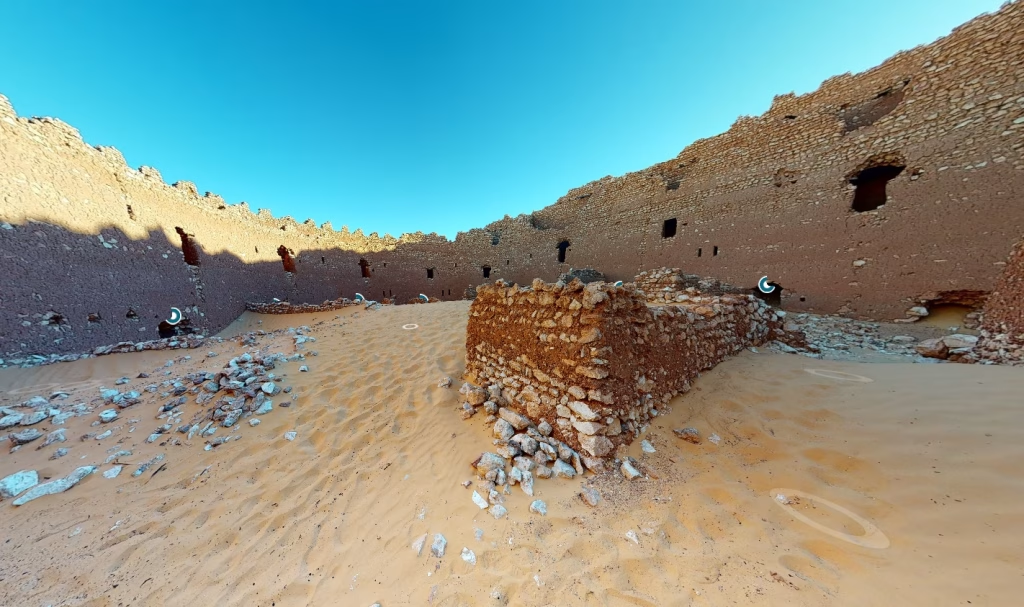
Ksar El Dherâa – Timimoun
Ksar El Dherâa is one of the ancient fortified villages located in Timimoun, in the Adrar Province of southern Algeria. It stands as a living testament to the traditional Sudano-Saharan architecture that defines the region’s identity.
Built entirely from local red clay, the ksar reflects the distinctive color palette of the “Red Oasis,” for which Timimoun is famous. Perched atop a small hill, it offers panoramic views of the surrounding palm groves and desert landscapes. Its narrow alleys and closely packed homes embody the spirit of solidarity and community among its inhabitants.
Despite the passage of time, Ksar El Dherâa has preserved its authentic social and architectural character, with some residents still living according to age-old customs. The site is a major cultural and touristic attraction, admired for its harmony between nature, history, and human craftsmanship.
Surrounded by towering granite cliffs and scattered palm trees, the oasis is home to freshwater springs that offer tranquility and refreshment in the vast Sahara. Tikoubaouine is a favorite destination for camping, hiking, and eco-tourism enthusiasts, providing an authentic desert experience far from urban noise.
The area is also renowned for its magnificent sunsets and star-filled skies, making it a dreamland for photographers and nature lovers alike. Tikoubaouine stands as a living model of balance between nature and traditional Saharan life.
The houses, made of clay and local stone, are arranged along narrow alleys to provide natural shade and ventilation. The ksar features an ingenious system for food storage and water distribution, along with a central market and a local council known as El Azzaba.
Still inhabited today, the ksar’s residents continue to preserve their authentic Mozabite traditions. Recognized as a UNESCO World Heritage Site, Ghardaïa Ksar stands as a symbol of unique cultural, religious, and architectural heritage, offering visitors an immersive journey into the history and desert identity of Algeria.
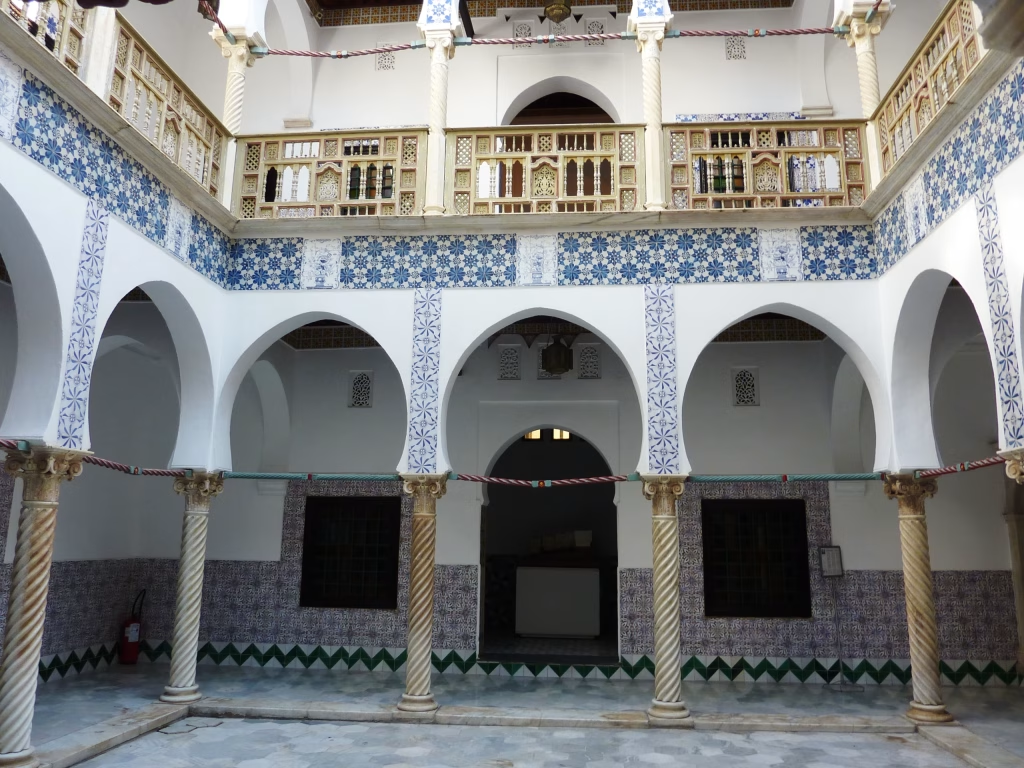
Ksar El Rias – Fort 23
Ksar El Rias, also known as Fort 23, is a remarkable historical landmark located in the heart of Algiers, within the Kasbah overlooking the Mediterranean Sea. Built in the 16th century, the palace once served as the residence of the Rais, the admirals who commanded the Algerian naval fleet during the Ottoman era.
The structure is a fine example of authentic Ottoman architecture, featuring decorative arches, inner courtyards adorned with marble and traditional ceramics, and a harmonious design that reflects the elegance of its time. Strategically positioned on the seafront, it was an essential part of the city’s defensive fortifications.
After years of neglect, Ksar El Rias underwent a meticulous restoration and was reopened as a museum and cultural center, celebrating Algeria’s maritime heritage and Ottoman legacy. Today, it stands as both a symbol of Algiers’ historical identity and a must-visit cultural destination for travelers exploring the capital.
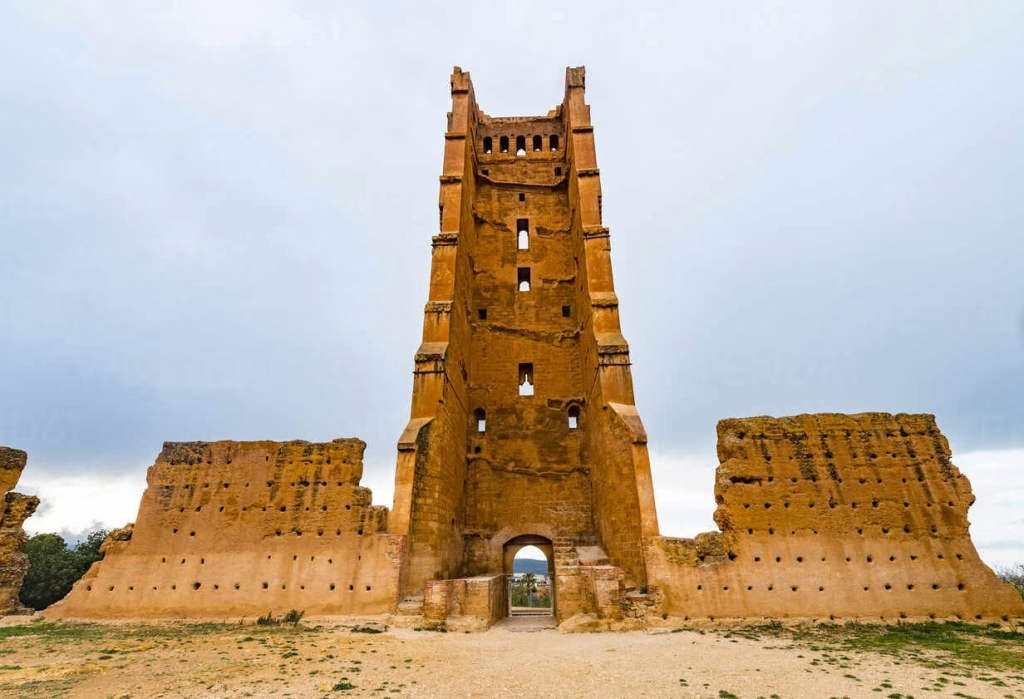
Mansourah Castle – Tlemcen
Mansourah Castle, located on the outskirts of Tlemcen in western Algeria, is one of the most striking historical landmarks that reflect the power and architectural grandeur of the Marinid dynasty in the 14th century.
The fortress was built in 1303 CE by Sultan Abu Yaqub Yusuf during his siege of Tlemcen. It was part of a fully fortified military city known as “Mansourah”, designed to serve both as a base of operations and a symbol of dominance. The site features massive stone walls, tall watchtowers, and imposing gates, with its great minaret—still standing today—resembling the iconic Koutoubia Minaret in Marrakesh.
Although much of the ancient city has fallen into ruins, the remnants of Mansourah Castle continue to testify to the brilliance of Maghrebi-Andalusian Islamic architecture. Today, it stands as an open archaeological site and a major attraction for history and heritage enthusiasts, offering visitors a journey into the medieval past of the central Maghreb.
The structure is a fine example of authentic Ottoman architecture, featuring decorative arches, inner courtyards adorned with marble and traditional ceramics, and a harmonious design that reflects the elegance of its time. Strategically positioned on the seafront, it was an essential part of the city’s defensive fortifications.
After years of neglect, Ksar El Rias underwent a meticulous restoration and was reopened as a museum and cultural center, celebrating Algeria’s maritime heritage and Ottoman legacy. Today, it stands as both a symbol of Algiers’ historical identity and a must-visit cultural destination for travelers exploring the capital.
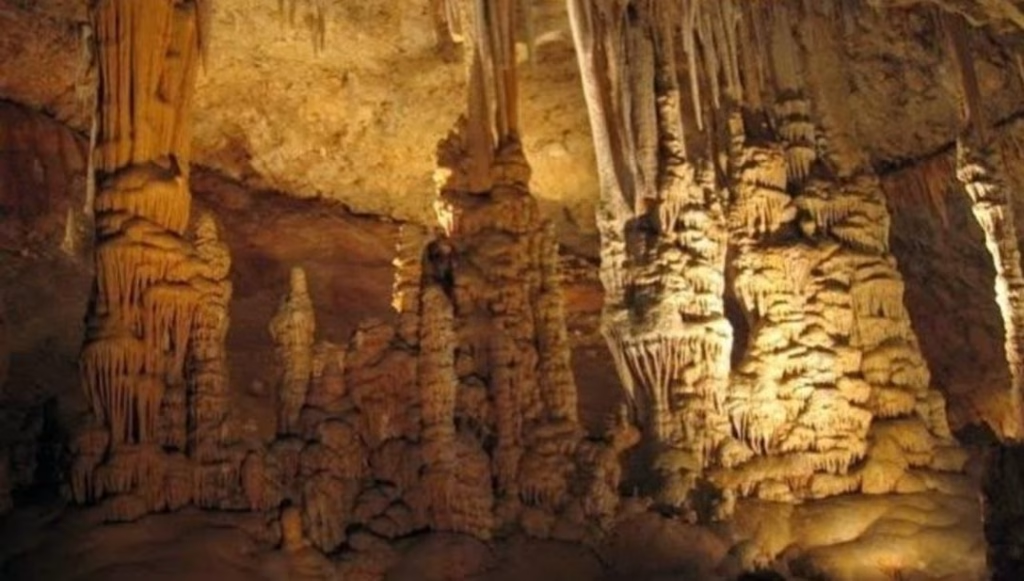
Ain Fezza Caves – Beni Add Grottoes
Ain Fezza Caves, also known as the Beni Add Grottoes, are among the most remarkable natural wonders of western Algeria, located near the city of Tlemcen. Formed over thousands of years through natural erosion, these caves captivate visitors with their stunning stalactite and stalagmite formations, creating a breathtaking display of nature’s artistry on their walls and ceilings.
The caves extend deep underground, offering a unique exploration experience for lovers of adventure and geological beauty. The temperature inside remains stable throughout the year, making it a comfortable destination in all seasons.
Well-prepared for visitors, the site includes safe pathways and lighting systems that highlight the intricate rock details and enhance the sense of wonder. The Beni Add Grottoes stand as a rare combination of touristic appeal and scientific importance, making them a must-visit landmark for anyone traveling through the Tlemcen region.
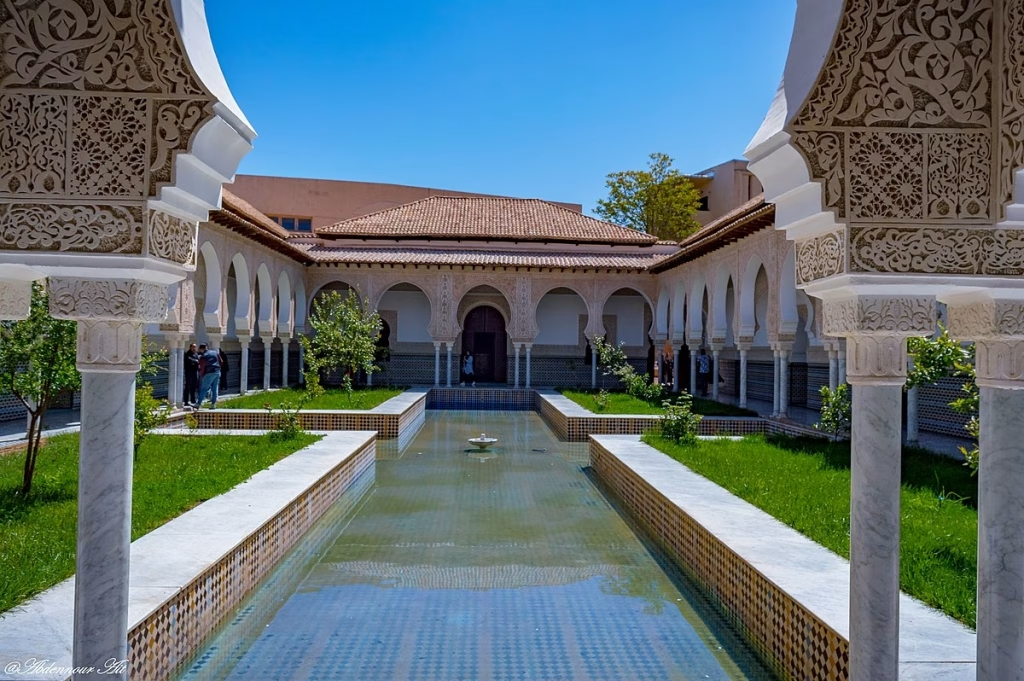
El Mechouar Palace – Tlemcen
El Mechouar Palace is an Andalusian architectural masterpiece located in the heart of Tlemcen, western Algeria. It is one of the country’s most significant historical monuments, built in the 13th century during the reign of the Zayyanid dynasty. Serving as the royal residence of the Zayyanid kings, the palace was the political and cultural center of the Kingdom of Tlemcen.
The palace’s design reflects the splendor of Andalusian-Islamic art, with its ornate arches, intricate plaster carvings, and spacious courtyards adorned with fountains and lush gardens. Within its walls were royal chambers, mosques, and reception halls, showcasing the grandeur and refinement of medieval Maghrebi civilization.
Despite suffering damage and undergoing several restorations over the centuries, El Mechouar Palace still retains much of its original beauty and historical essence. Today, it stands as a museum and open archaeological site, offering visitors a vivid glimpse into the elegance and legacy of Islamic architecture in Tlemcen.
Sidi Boumediene Mosque – Tlemcen
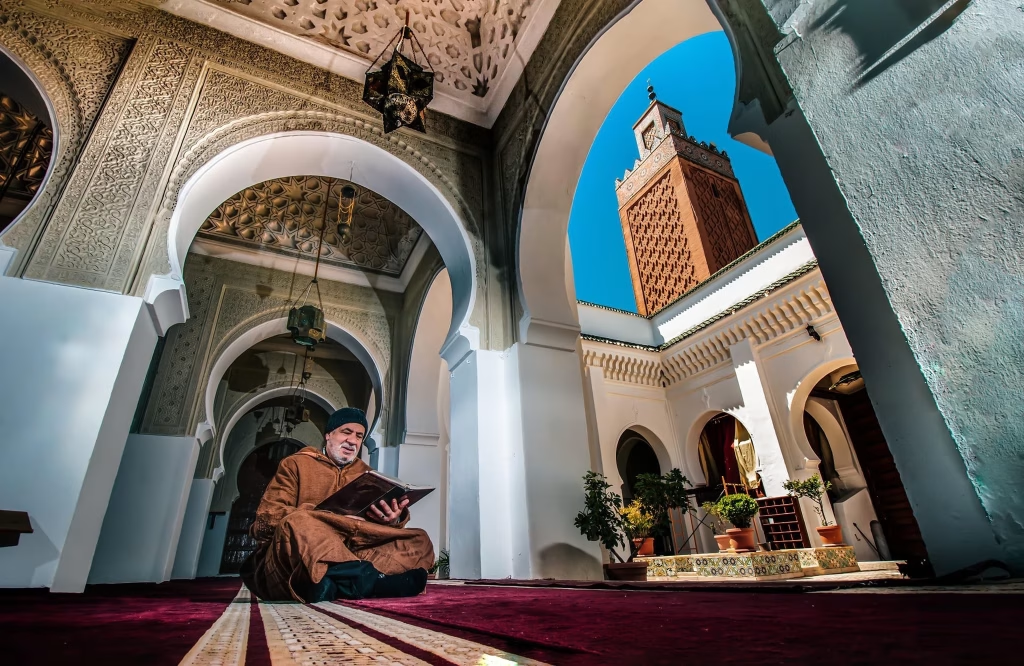
Sidi Boumediene Mosque, located in the city of Tlemcen in western Algeria, is one of the finest examples of Andalusian-Islamic architecture in North Africa. Built in 1339 CE by the Marinid Sultan Abu al-Hasan al-Marini, the mosque was constructed in honor of the revered Sufi saint and scholar Sidi Boumediene Choaib El Ghouth, who is buried at the site.
The mosque’s design showcases an exquisite blend of Almoravid, Almohad, and Marinid architectural styles, evident in its elegantly decorated arches, spacious courtyard, and beautifully patterned minaret. The complex also includes a religious school (madrasa) and a mausoleum, making it an important spiritual and cultural center during the medieval period.
To this day, Sidi Boumediene Mosque remains a masterpiece of Islamic art and devotion, preserving its historical beauty and sacred atmosphere. It stands as a symbol of Tlemcen’s rich heritage as a capital of knowledge, faith, and mysticism.
 The National Tourism Board of Algeria (ONT) is the Ministry’s instrument in charge of designing and implementing the promotion, marketing, and communication policy of Algerian tourism.