Thermal Tourism
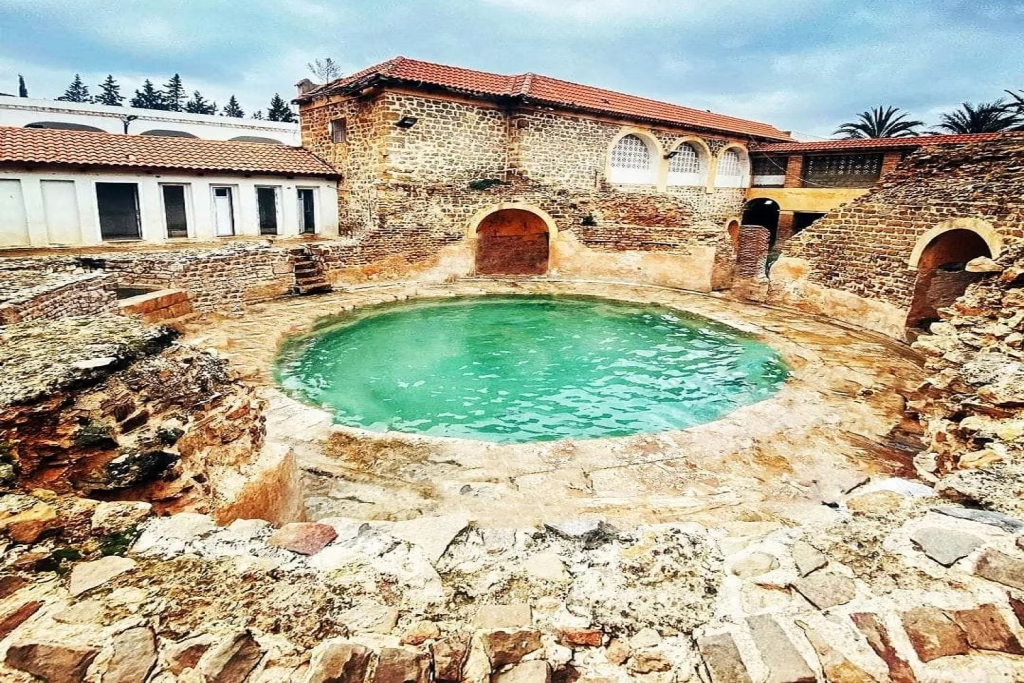
Algeria has immense potential for the development of thermal tourism, with more than 282 identified thermal springs across the country, all with curative properties.
Home / Destination / Thermal Tourism
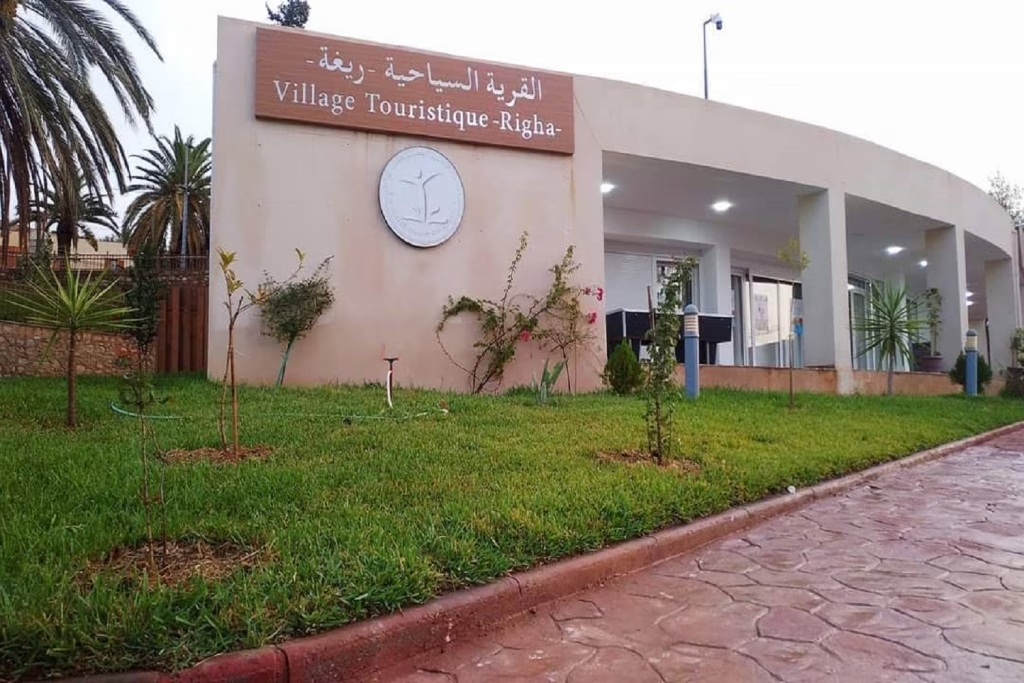
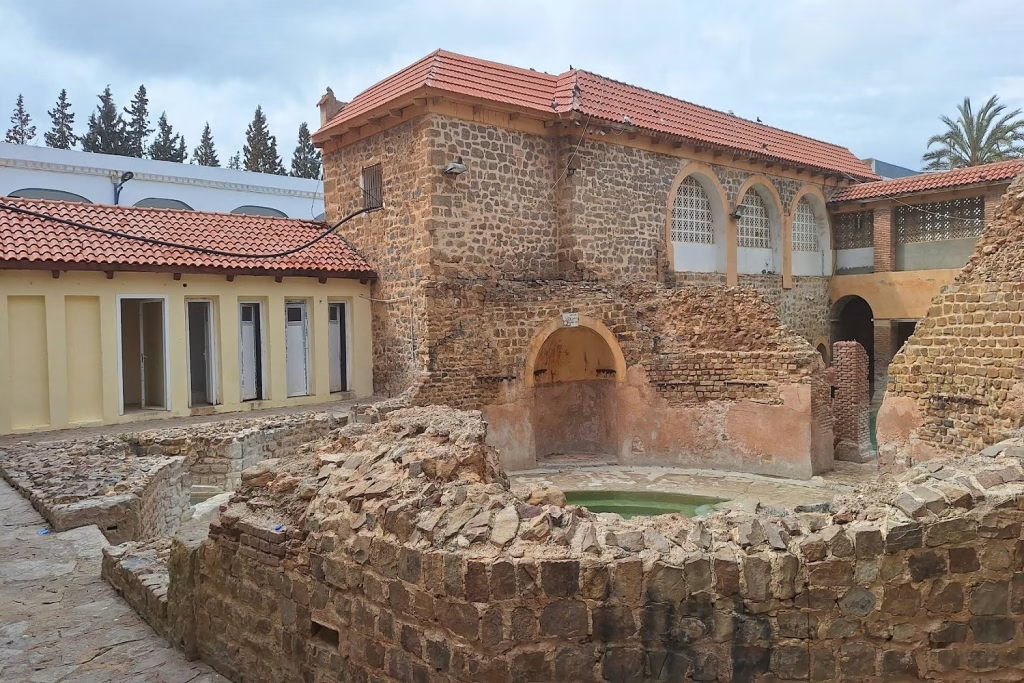
Top Thermal Sites
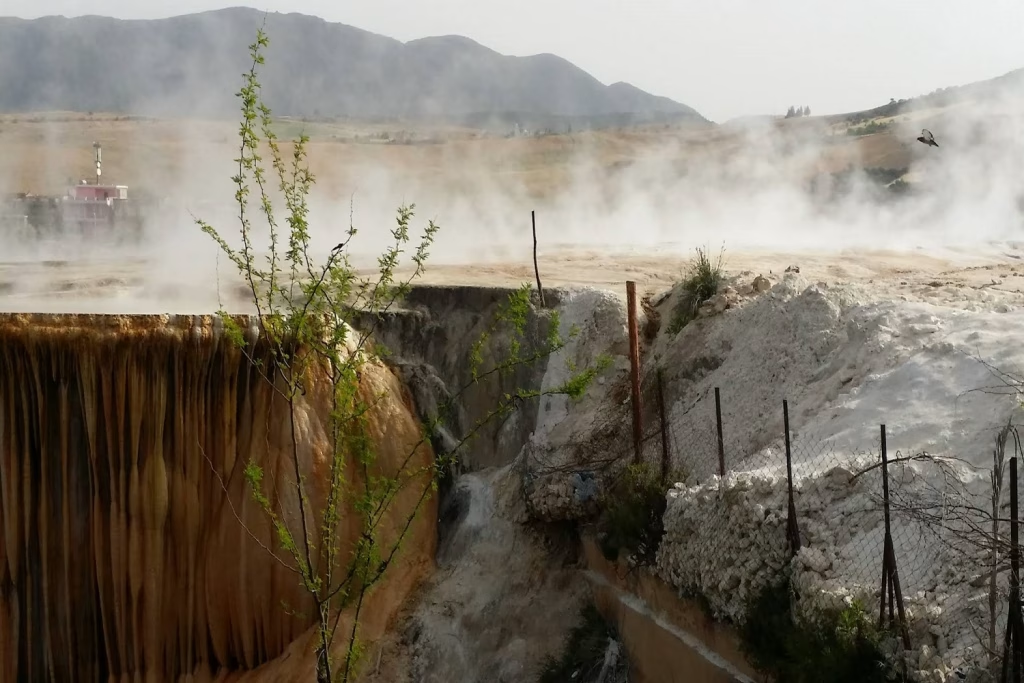
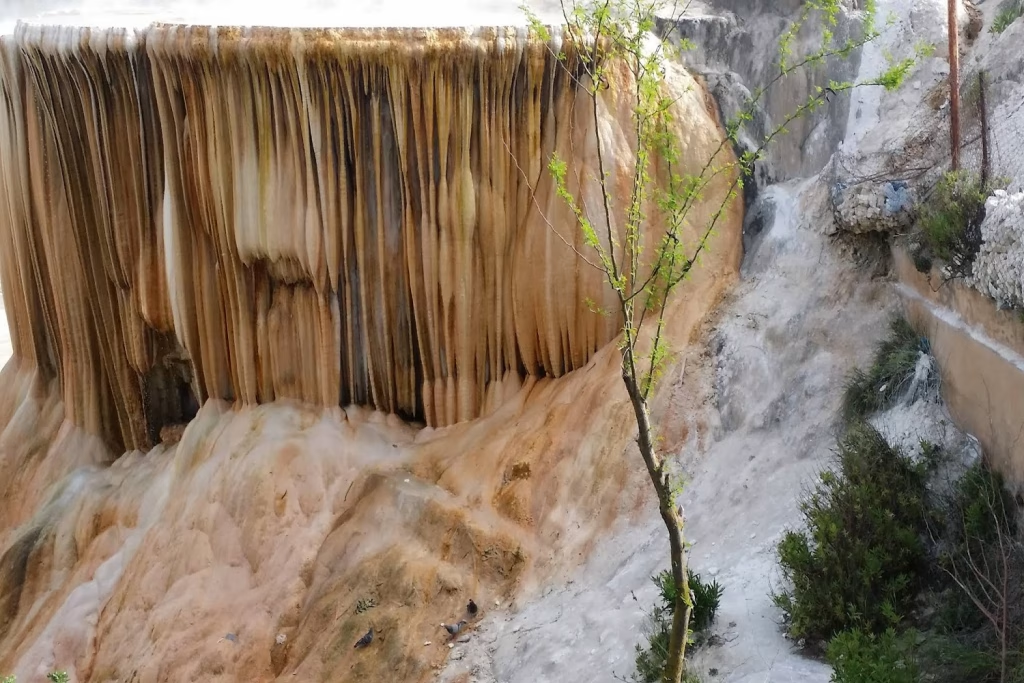
- Hammam Essalihine – Khenchela
- Hammam Bouhadjar – Aïn Témouchent
- Hammam Guergour – Sétif
- Hammam Debagh – Guelma
- Hammam Righa – Aïn Defla
- Hammam Melouane – Blida
- Hammam Boughrara – Tlemcen
Thermal Tourism
Algeria has immense potential for the development of thermal tourism, with more than 282 identified thermal springs across the country, all with curative properties.
30 thermal springs have been developed to accommodate thousands of spa visitors from all regions of the country, for relaxation and fitness stays or for specific treatments.
The majority of these resorts are located in the northern part of the country, while others are located in the Sahara.
The Algerian authorities are currently working to modernize existing resorts and encourage investment in the creation of new structures, in order to meet the growing demand from spa guests and tourists seeking wellness stays.
Thermalism is an essential component of health tourism in Algeria. Thermal springs, such as Hammam Bou Gharara, Hammam Bou Hadjar, Hammam Debagh and Les Salines, Hammam Bou Henifia, Ouenza, Hammam Ouled Yahia, Hammam Righa, Hammam Mellouan, Chegga, Guergueur, Hammam Rabbi and Hammam Sokhna, are renowned for their therapeutic virtues in the treatment of various rheumatic, dermatological, respiratory and digestive ailments.
Thermal tourism in Algeria is a booming sector that attracts a growing clientele each year.
Algerian thermal springs offer spa guests a quality setting for curative or relaxation stays, combining the benefits of thermal waters with a warm welcome and a peaceful environment.
The development of thermal tourism in Algeria is a major asset for the diversification of the country’s tourist offer.
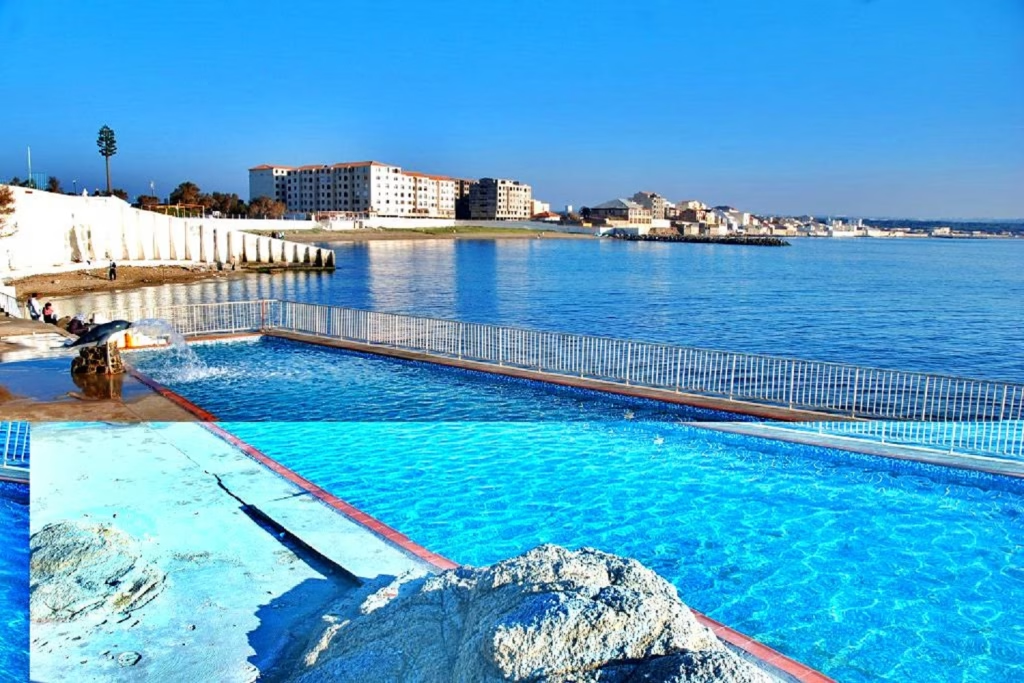
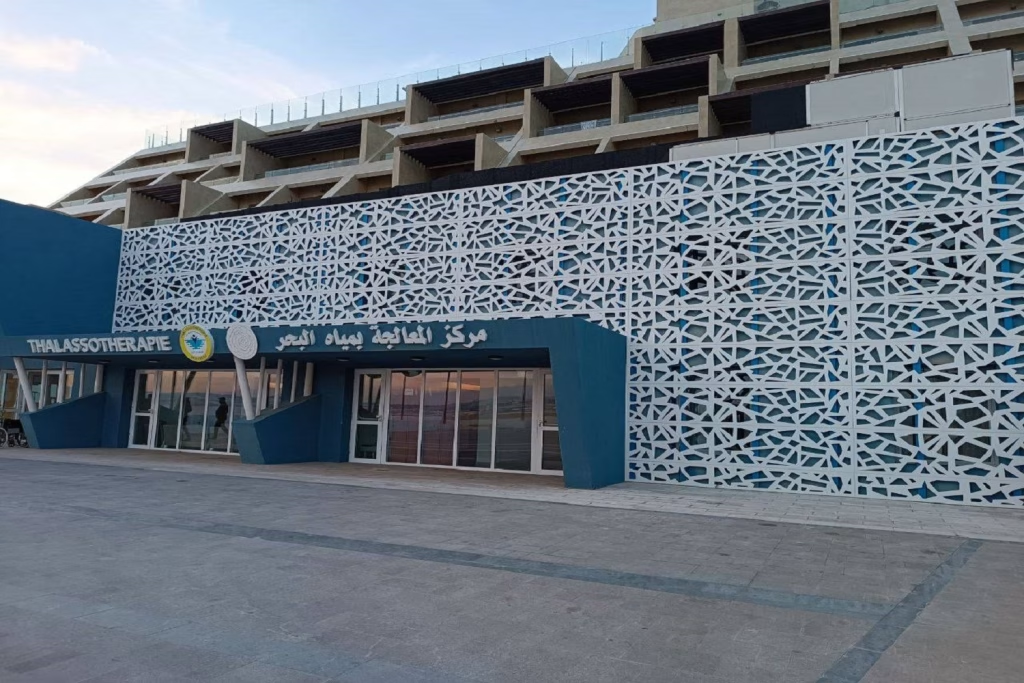
Indeed, this sector makes it possible to enhance the country’s rich natural heritage and to meet the expectations of a clientele seeking authentic stays that are beneficial to health.
Algeria has all the assets it needs to become a benchmark destination for thermal tourism in the Mediterranean and the Arab world.
Discover More Destinations
- Saharan Tourism
Algeria’s Endless Sands, Timeless Stories
“In the Algerian Sahara, time slows, the sky deepens, and the silence tells ancient tales.”
- Mountain and Discovery Tourism
Explore Algeria’s Majestic Mountains
“From forested peaks to rugged cliffs, Algeria’s mountains offer more than just breathtaking views—they hold stories of ancient civilizations, resilient cultures, and wild beauty waiting to be explored.”
- Beach Tourism
Where the Sea Meets Serenity
“Algeria’s Mediterranean coast is a haven of calm waves, golden sands, and undiscovered charm. Whether you’re seeking a quiet escape or a splash of adventure, the sea is calling.”
Contact Us
- FAQs
Frequently Asked Questions
What kind of experiences does Algeria offer?
Algeria offers a unique mix of adventure, culture, and relaxation—from desert trekking and mountain hiking to exploring historic sites and enjoying local cuisine.
Do I need a visa to visit Algeria?
Most travelers need a visa to enter Algeria. You can apply through the Algerian embassy or consulate in your country, so it’s best to check in advance.
What is the best time to visit Algeria?
The best time to visit is between October and April for desert trips and April to June or September for coastal and mountain regions.
What language is spoken in Algeria?
The official languages are Arabic. French is also widely spoken, especially in cities, and many signs and services are bilingual.
What currency is used in Algeria?
The official currency is the Algerian Dinar (DZD). Cash is commonly used, and while some hotels accept cards, it’s best to carry local currency, especially outside major cities.
What should I wear in Algeria?
Algeria is a modest country. Light, loose clothing is recommended, especially in hot areas. While there’s no strict dress code, it’s respectful to dress conservatively, particularly in rural and religious areas.
 The National Tourism Board of Algeria (ONT) is the Ministry’s instrument in charge of designing and implementing the promotion, marketing, and communication policy of Algerian tourism.