
Culture & History
Casbah of Algiers: Living Urban Heritage
A guide to the Casbah as an inhabited historic city: its Ottoman urban fabric, houses, religious buildings, memory, conservation, and visitor responsibility.
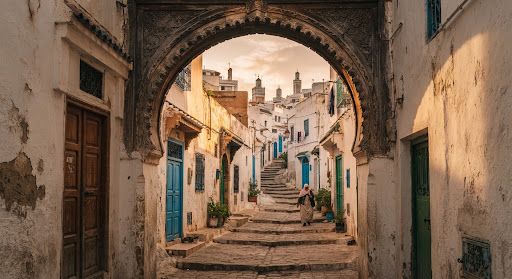
The Casbah developed as a dense hillside city connected to the port and defensive landscape of Algiers. Courtyard houses, narrow lanes, mosques, palaces, workshops, and fountains function together as an urban whole.
The Casbah is not just a neighbourhood; it is a witness to the soul of Algeria.
Layers of history
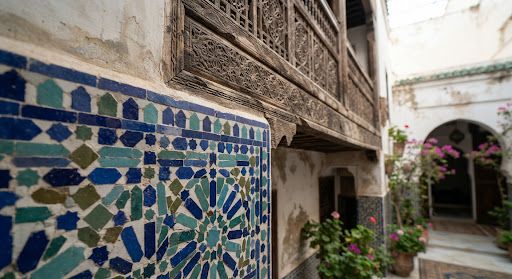
Its strongest surviving form reflects the Ottoman period, while earlier Mediterranean connections, French colonial intervention, the independence struggle, and post-independence life all shaped the district.
A living neighbourhood
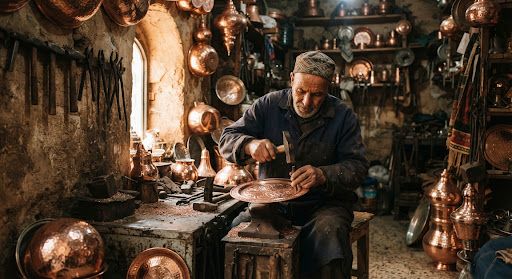
Families, craftspeople, shops, schools, and places of worship continue to give the Casbah meaning. Visitors should avoid treating homes and residents as scenery, and should ask before photographing people or interiors.
Conservation
Ageing structures, inappropriate alterations, population pressure, fire, water, and difficult access create serious conservation challenges. Supporting authorised guides and restoration initiatives helps keep tourism connected to local benefit.